
pain management for older adults

Pain Management for Older Adults

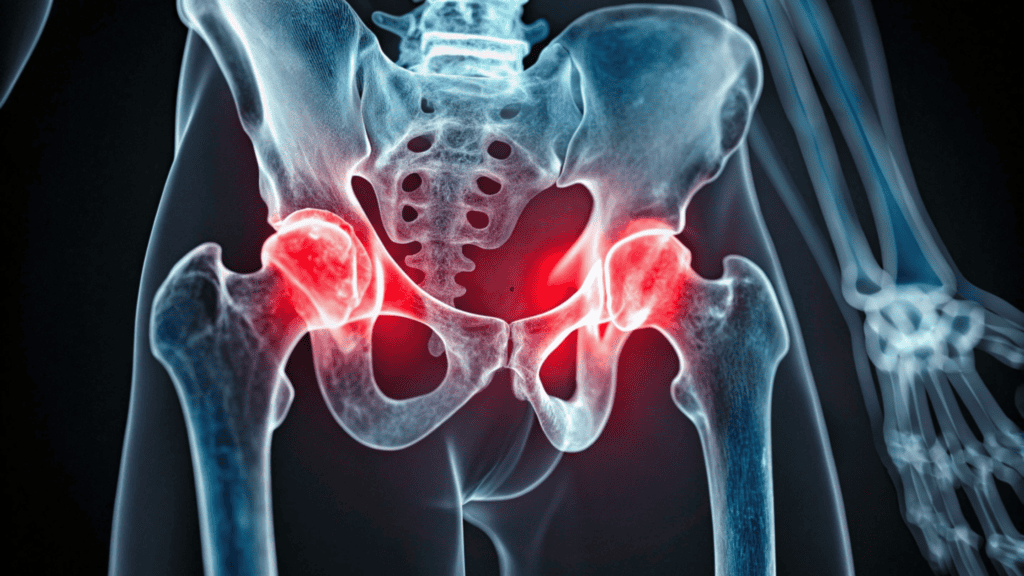
As people age, chronic pain becomes increasingly common. Conditions such as arthritis, spinal degeneration, neuropathy, and joint injuries can significantly affect daily comfort and mobility. According to the Centers for Disease Control and Prevention, millions of older adults in the United States live with chronic pain that interferes with everyday activities like walking, sleeping, or […]

Pain Management for Older Adults Read More »

failed back surgery syndrome

Recognizing Failed Back Surgery Syndrome: When Pain Persists After Spine Surgery

Back surgery is often performed to relieve chronic pain, nerve compression, or structural instability in the spine. While many patients experience significant improvement, some continue to have pain—or even develop new symptoms—after surgery. This condition is commonly known as Failed Back Surgery Syndrome (FBSS). Despite its name, FBSS does not necessarily mean the surgery was

Recognizing Failed Back Surgery Syndrome: When Pain Persists After Spine Surgery Read More »

sacroiliac joint pain

Understanding Sacroiliac Joint Pain: Causes, Symptoms & Relief with PMCOA

Sacroiliac joint pain is a common but often misunderstood source of lower back and pelvic discomfort. At Pain Management Centers of America (PMCOA), our board-certified interventional pain specialists help patients identify the cause of sacroiliac (SI) joint pain and tailor a personalized treatment plan that reduces pain, improves function, and enhances quality of life. What

Understanding Sacroiliac Joint Pain: Causes, Symptoms & Relief with PMCOA Read More »

radiofrequency ablation

Understanding Radiofrequency Ablation (RFA) for Chronic Pain

Radiofrequency Ablation (RFA) has become one of the most powerful minimally invasive tools for treating chronic neck, back, and joint pain — especially when the source is irritated, overactive nerves. If you’ve tried medications, physical therapy, chiropractic care, or even injections and still struggle with pain, RFA may offer the long-lasting relief you’ve been searching

Understanding Radiofrequency Ablation (RFA) for Chronic Pain Read More »

conservative treatments

When Conservative Treatments Don’t Work: What’s Next?

For many adults living with ongoing pain, conservative treatments—such as physical therapy, medications, activity modification, bracing, chiropractic care, or basic injections—are the first steps toward relief. These approaches help a large percentage of individuals recover without invasive procedures. But what happens when you’ve “tried everything,” yet the pain continues to interfere with your work, sleep,

When Conservative Treatments Don’t Work: What’s Next? Read More »

pain pump intrathecal delivery system

Is a Pain Pump Right for You? How Intrathecal Delivery Works

For people living with chronic pain that hasn’t improved with conservative care, medications, injections, or even certain surgeries, a pain pump may offer meaningful relief. Also known as an intrathecal drug delivery system, a pain pump delivers medication directly to the spinal fluid, providing targeted pain control with far smaller doses than oral medications. If

Is a Pain Pump Right for You? How Intrathecal Delivery Works Read More »

understanding nerve blocks

Understanding Nerve Blocks: Diagnosis vs. Relief

Nerve blocks are an important tool in modern pain management. They not only help patients find relief from chronic or acute pain but also serve as a valuable diagnostic tool for pinpointing the exact source of discomfort. Understanding the difference between diagnostic and therapeutic (relief-based) nerve blocks can help patients make informed decisions about their

Understanding Nerve Blocks: Diagnosis vs. Relief Read More »

Due to snow, both of our locations are closed today and will reopen tomorrow.